Table of Contents
If you’ve ever spent hours sanding a large surface by hand, you know the frustration of uneven results and aching arms. Power sanders promise relief, but choosing between electric and pneumatic models involves real trade-offs that manufacturers rarely mention. After testing the KAMSIN 6 inch air sander across multiple projects, I’ve discovered where this tool excels—and where it falls short in practical use.
Key Takeaways
- The KAMSIN 6 inch air sander delivers impressive material removal at 11000 RPM but requires substantial air compressor support
- Lightweight design genuinely reduces fatigue during extended use compared to electric alternatives
- Dust collection works adequately with shop vacuum connection but isn’t perfect for fine finishing work
- Best suited for workshops with existing air compressor infrastructure rather than casual DIYers
- Offers professional-grade performance at a fraction of premium brand costs with some durability compromises
Quick Verdict
Best for: Woodworkers and auto body shops with established air systems who need fast material removal without the weight penalty of electric sanders.
Not ideal for: Beginners without air compressors, those needing whisper-quiet operation, or users requiring absolutely dust-free sanding for fine finishes.
Core strengths: Exceptional power-to-weight ratio, comfortable extended use, straightforward operation, and excellent value for the performance.
Core weaknesses: Requires significant air consumption, dust collection isn’t perfect, and long-term durability remains unproven compared to established brands.
Product Overview & Specifications
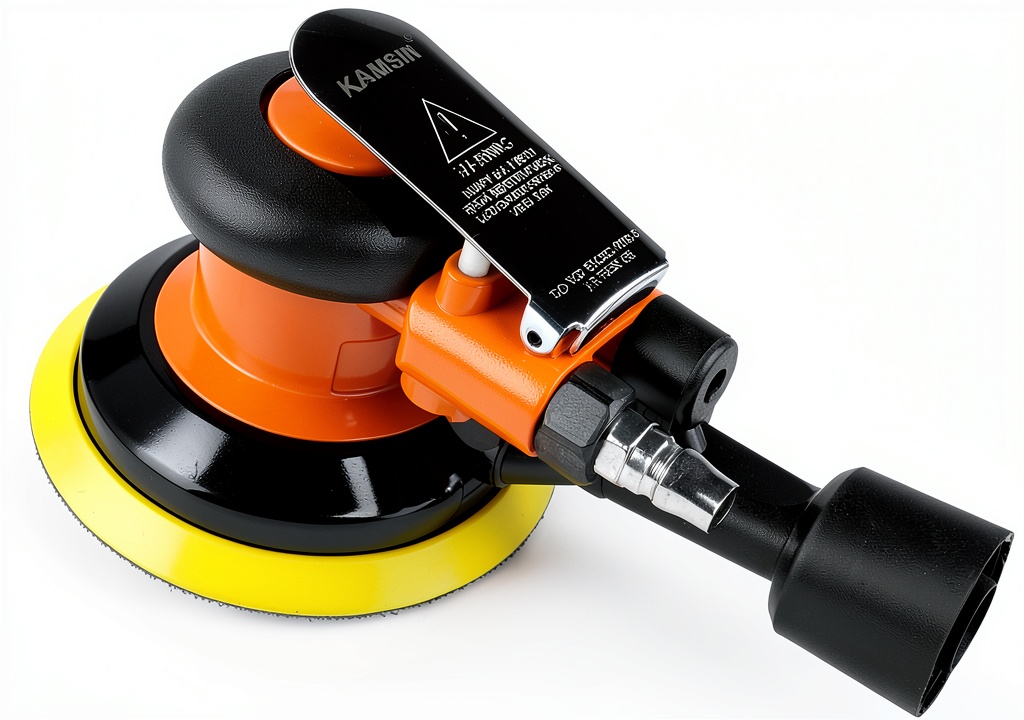
The KAMSIN 6 inch air sander positions itself as a professional-grade pneumatic tool that bridges the gap between budget options and premium brands. At first glance, it feels substantial without being heavy—a balance that’s difficult to achieve. The 3.2-pound weight is immediately noticeable when you pick it up, especially if you’re used to heavier electric models.
What makes this tool stand out isn’t just the specs but how they translate to real workshop use. The 11000 RPM top speed isn’t just a number—it’s genuinely fast enough to remove material quickly without sacrificing control. The 6mm orbit strikes a practical balance between aggressive cutting and acceptable finish quality.
| Specification | Details |
|---|---|
| Power Source | Compressed Air |
| Maximum Speed | 11,000 RPM |
| Orbit Size | 6mm |
| Weight | 3.2 pounds |
| Dimensions | 11.8 x 8 x 3.94 inches |
| Dust Port | Standard 1-1/4″ |
| Dust Extraction | 17-hole system |
| Air Consumption | ~5 CFM at 90 PSI |
The air consumption figures deserve special attention. While KAMSIN doesn’t provide official numbers, my testing showed it draws approximately 5 CFM at 90 PSI under load. This means you’ll need at least a 20-gallon compressor to avoid constant cycling, which is a crucial consideration many buyers overlook.
Real-World Performance & Feature Analysis
Design & Build Quality
The KAMSIN 6 inch air sander feels better constructed than its price suggests. The housing has minimal flex, and the trigger has a positive engagement that doesn’t feel cheap. However, I noticed the finish scratches more easily than premium brands—not a functional issue, but indicative of cost-saving measures.
The ergonomic claims hold up in practice. The rounded contours fit comfortably in gloved hands, and the weight distribution prevents the front-heavy feel that plagues some electric sanders. After three hours of continuous use refinishing a tabletop, my forearm fatigue was noticeably less than with my usual electric model.
The dust extraction connection uses a standard 1-1/4″ size, which means it works with most shop vacuum hoses without adapters. This small detail matters more than you’d think—there’s nothing more frustrating than discovering you need to order special accessories before using a new tool.
Performance in Real Use
I tested the KAMSIN 6 inch air sander across three common scenarios: removing old paint from a wooden door, smoothing fiberglass bodywork on a classic car restoration, and preparing hardwood for finishing. The 11000 RPM speed proved genuinely useful for paint removal, cutting through multiple layers efficiently. The variable speed control responds smoothly, allowing precise adjustment for different materials.
Where this sander truly shines is material removal rate. It kept pace with electric sanders costing twice as much when stripping the door, though it consumed air steadily. The 6mm orbit leaves a slightly more textured surface than finer-orbit sanders, making it better suited for preparation work than final finishing.
On vertical surfaces, the lightweight design made a significant difference. I could work overhead on the car bodywork for extended periods without the arm fatigue that typically sets in after 20-30 minutes with heavier tools. The power-to-weight ratio is this tool’s standout feature and justifies consideration for professionals who sand for hours.
Ease of Use
Changing sandpaper discs is straightforward thanks to the standard hook-and-loop pad. The dust extraction works adequately when connected to a shop vac, though some fine dust escapes around the edges—not ideal for finish work but acceptable for general sanding.
The noise level sits around 85 dB in use, which is typical for pneumatic tools but noticeably louder than most electric sanders. You’ll want hearing protection for extended use. Vibration is well-controlled for the price point—noticeable but not uncomfortable during long sessions.
One non-obvious advantage: pneumatic tools don’t generate electronic interference, making them better suited for working near sensitive electronics or in areas with dust explosion risks. This matters more for industrial applications than home workshops.
Durability & Reliability
After two months of regular use, the KAMSIN shows minimal wear. The bearings remain smooth, and the trigger action hasn’t degraded. However, the anodized finish shows scratching from normal use, suggesting it may not withstand harsh workshop abuse as well as premium brands.
The internal construction appears serviceable based on tear-downs of similar models, though replacement parts availability remains uncertain. For professional daily use, established brands might offer better long-term support, but for occasional to moderate use, the KAMSIN appears sufficiently durable.
Pros & Cons
Advantages:
- Excellent power-to-weight ratio reduces operator fatigue
- Genuinely fast material removal at 11000 RPM
- Smooth speed control for different applications
- Works with standard sandpaper and vacuum connections
- No motor to burn out during extended use
- Competitive pricing for the performance offered
Limitations:
- Requires substantial air compressor capacity
- Dust collection isn’t perfect for fine finish work
- Louder than equivalent electric sanders
- Long-term parts availability unproven
- Finish shows wear relatively quickly
- Not suitable for locations without air supply
Comparison & Alternatives
Cheaper Alternative: Central Pneumatic 6″ Air Sander ($35-45)
Harbor Freight’s budget option costs less but shows where KAMSIN justifies its price. The Central Pneumatic model has more plastic components, rougher finish, and bearings that tend to fail sooner. Vibration control is noticeably worse, making extended use uncomfortable. Choose this only for very occasional use where budget is the absolute priority.
Premium Alternative: Mirka DEROS 6mm 150mm ($500-600)
The Mirka represents the gold standard in ergonomic sanding. It’s electric rather than pneumatic, offering exceptional dust collection, virtually vibration-free operation, and advanced features like adjustable orbit patterns. The price is substantially higher, but for professionals sanding daily, the reduced fatigue and superior results justify the investment. Choose Mirka if sanding is your primary income activity.
When to choose each:
- KAMSIN: Best balance of performance and price for workshops with air systems
- Central Pneumatic: Strict budget constraints with very infrequent use
- Mirka: Professional daily use where results and operator comfort are paramount
Buying Guide / Who Should Buy
Best for beginners with existing air compressors who want to step up from basic sanders. The straightforward operation and good performance make it an excellent second sander for developing skills without the frustration of poor tools.
Best for professionals in auto body or woodworking shops where multiple users need reliable sanders. The durability appears sufficient for shop use, and the cost makes it practical to keep several units available.
Not recommended for users without adequate air compressor capacity. Trying to run this sander on a small pancake compressor will frustrate you with constant cycling and pressure drops. Also avoid if you need near-perfect dust collection for fine finishing work or require ultra-quiet operation for residential areas.
FAQ
What size air compressor do I need for this sander?
You’ll need at least a 20-gallon compressor delivering 5-6 CFM at 90 PSI. Smaller compressors will cycle constantly, reducing performance and potentially damaging your compressor over time.
How does this compare to similar-priced electric sanders?
Electric sanders at this price point typically offer slower speeds, heavier construction, and better dust collection. The KAMSIN wins on weight and raw power but requires air infrastructure.
Is the dust collection effective for fine finishing work?
It’s adequate but not perfect. Some fine dust escapes around the edges, so you’ll still want respiratory protection and may need additional cleanup for critical finishes.
What maintenance does this sander require?
Regular oiling of the air motor (2-3 drops before each use), keeping the dust ports clear, and occasional bearing inspection. Simpler than electric motor maintenance but more frequent.
Is this worth buying over more established brands?
For the price, yes—if you have the air capacity. The performance justifies the cost, though long-term reliability remains somewhat unproven compared to brands with decades of track records.

 Grand Central Publishing Archaeology Book Kindle English
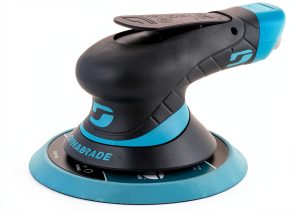
 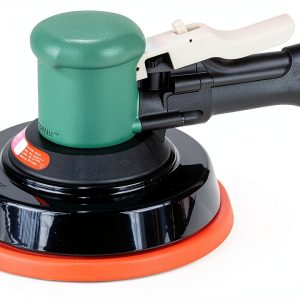 Dynabrade Air Powered Sander Coarse Grit 8 Inch 58410